

 English
 简体中文
简体中文
28th United Nations Commission on Science and Technology for Development (CSTD) Annual Conference Opens in Geneva
2025-04-08 09:00:00
Geneva, Switzerland, April 7, 2025 — The 28th United Nations Commission on Science and Technology for Development (CSTD) Annual Conference commenced today at the Palais des Nations in Geneva. Focused on the role of science, technology, and innovation in advancing the Sustainable Development Goals (SDGs), the conference features high-level dialogues on topics such as inclusive AI development and digital economy transformation, aiming to inject technological momentum into the UN’s sustainable development agenda.
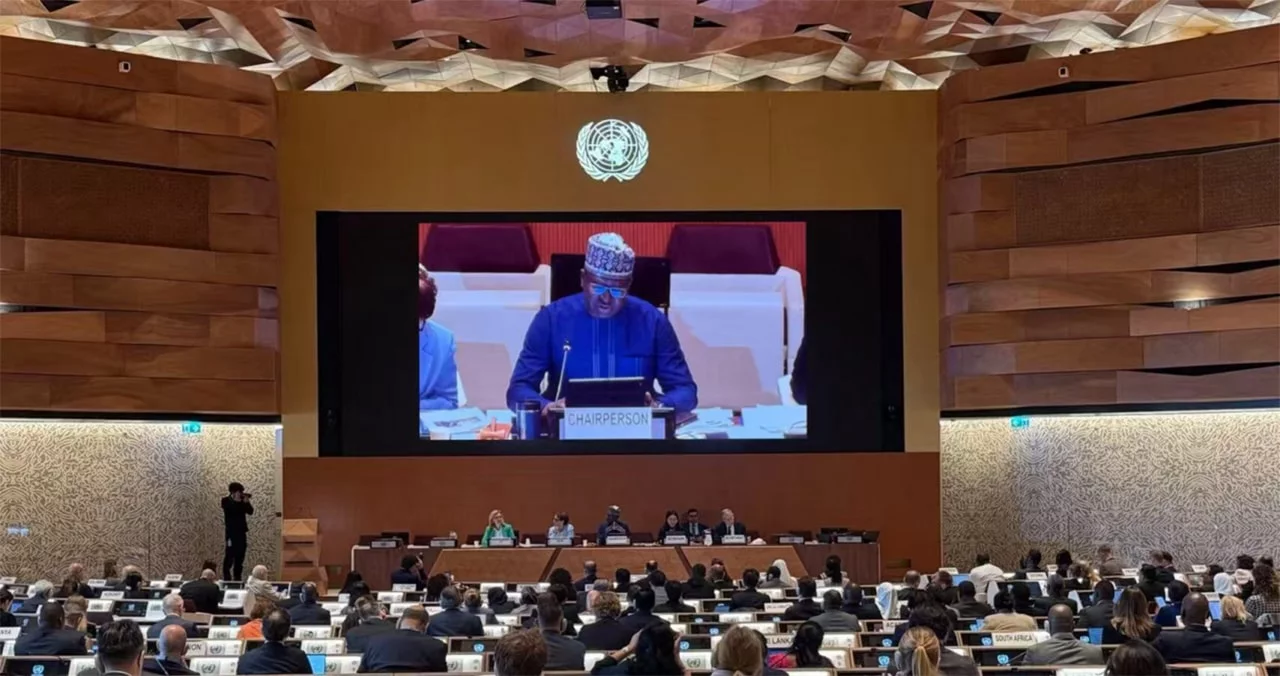
The opening day centered on the theme "Science, Technology, and Innovation for Sustainable and Inclusive Development," with a ministerial opening ceremony and plenary session chaired by His Excellency Muked, Chair of the CSTD. United Nations Economic and Social Council (ECOSOC) President His Excellency Li Bo and UN Deputy Secretary-General Ryde delivered opening remarks via video. They called for a "human-centered" governance framework for AI to prevent technology from exacerbating global inequalities.
UNCTAD Secretary-General Greenspan emphasized that technology must bridge global development gaps, urging international coordination and technology-sharing to prevent developing nations from being marginalized in AI and digital advancements. ITU Secretary-General Doreen highlighted that 2.6 billion people worldwide still lack internet access, stressing the need for infrastructure investment and capacity-building.
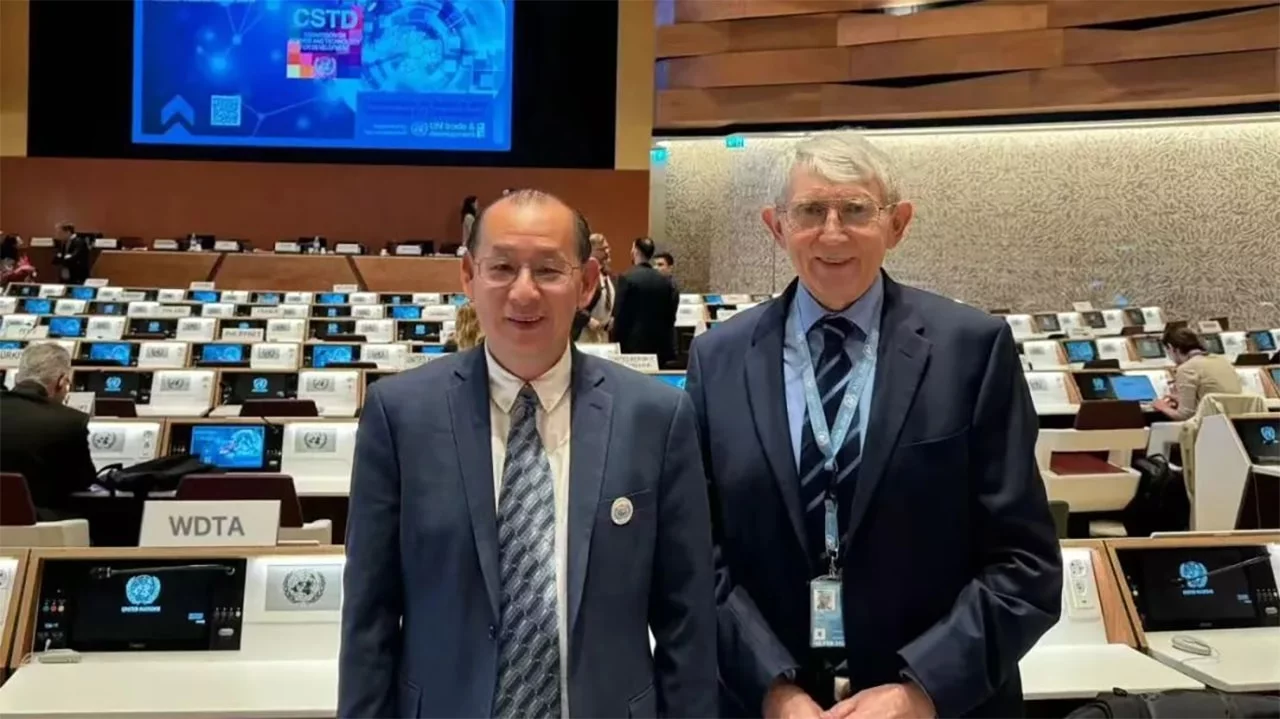
A delegation from the World Digital Technology Academy (WDTA), led by Founding Chairman Meyer and Executive Chairman Li Yuhang, joined hundreds of global representatives at the conference. Chinese Ambassador Shen Jian, speaking at the exhibition opening on "Women in Science, Technology, and Innovation for Sustainable Development," stated that China prioritizes technological innovation as a core driver of high-quality development, promotes inclusive digital technologies, and supports developing nations through South-South cooperation. He highlighted China’s "Global Development Initiative" as closely aligned with the UN 2030 Agenda, promising new momentum for global tech governance.
Representatives from Burkina Faso, Peru, the Philippines, Cuba, and other developing countries shared national practices. Philippine Undersecretary of Science and Technology Buendia noted the country’s regional innovation centers integrating agricultural technology with AI to transform rural economies. Peruvian Minister of Production González emphasized Latin America’s need to strengthen digital infrastructure to address climate-related food security challenges.
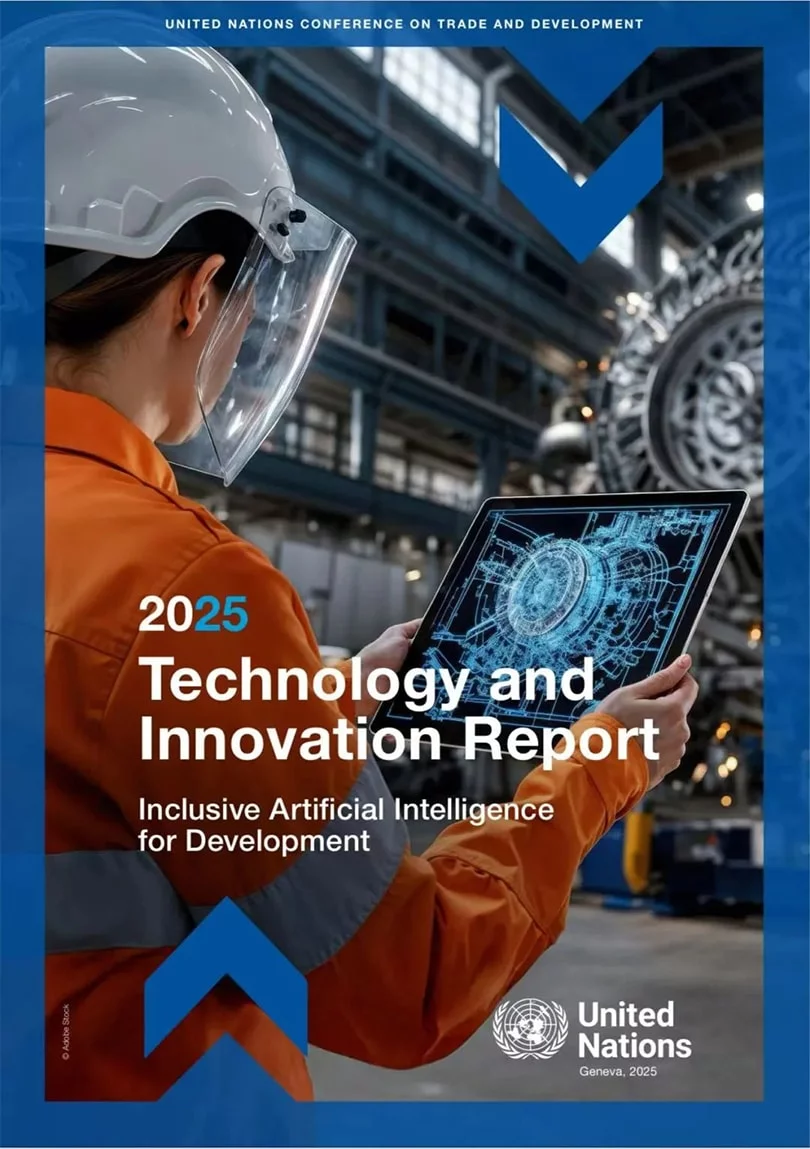
UNCTAD launched its 2025 Technology and Innovation Report during the conference, analyzing AI’s current landscape and its opportunities and challenges for developing nations. The report projects the global AI market to reach $4.8 trillion by 2033, highlighting AI’s role as a "general-purpose technology" that synergizes with IoT, big data, and blockchain to drive digital transformation. However, it also warns of ethical and security risks, urging nations to harness AI responsibly for SDG progress.
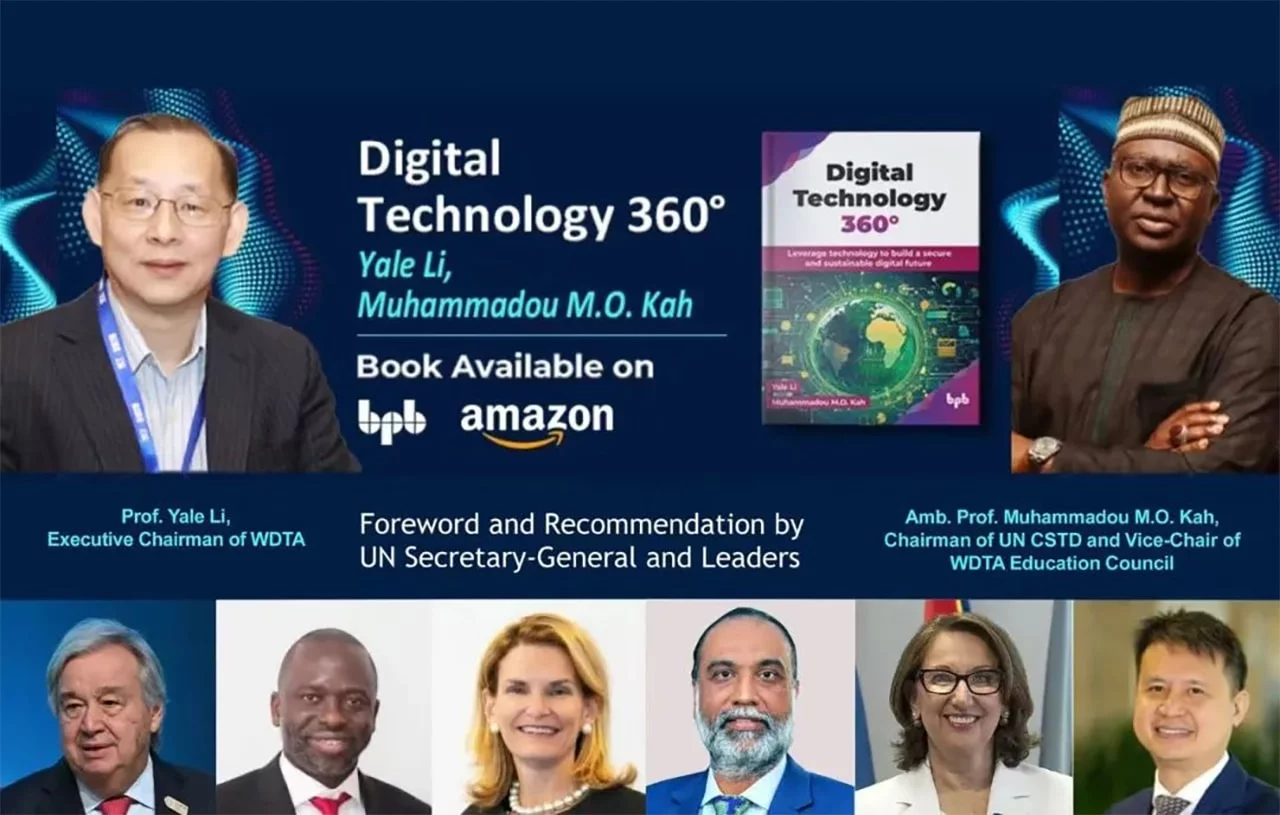
A side event on "Inclusive AI for Development" sparked debates on data sovereignty and algorithmic fairness. Concurrently, WDTA premiered Digital Technology 360° at the Palais des Nations. Co-authored by Li Yuhang and Muked, with a foreword by UN Secretary-General António Guterres and contributions from Greenspan, Doreen, and Gill, the book explores digital technologies’ societal, economic, and ethical impacts.
The five-day conference, running through April 11, will feature further appearances by high-profile figures, including UN Deputy Secretary-General and Tech Envoy Gill, as global stakeholders collaborate to shape an equitable technological future.



Programs & Initiatives
Events
Research & Publications
Awards & News