
 English
 简体中文
简体中文
The 2nd United Nations World Summit for Social Development Successfully Held in Doha — Digital World Conference (DWC) 2026 Officially Launched
2025-11-07 09:34:07
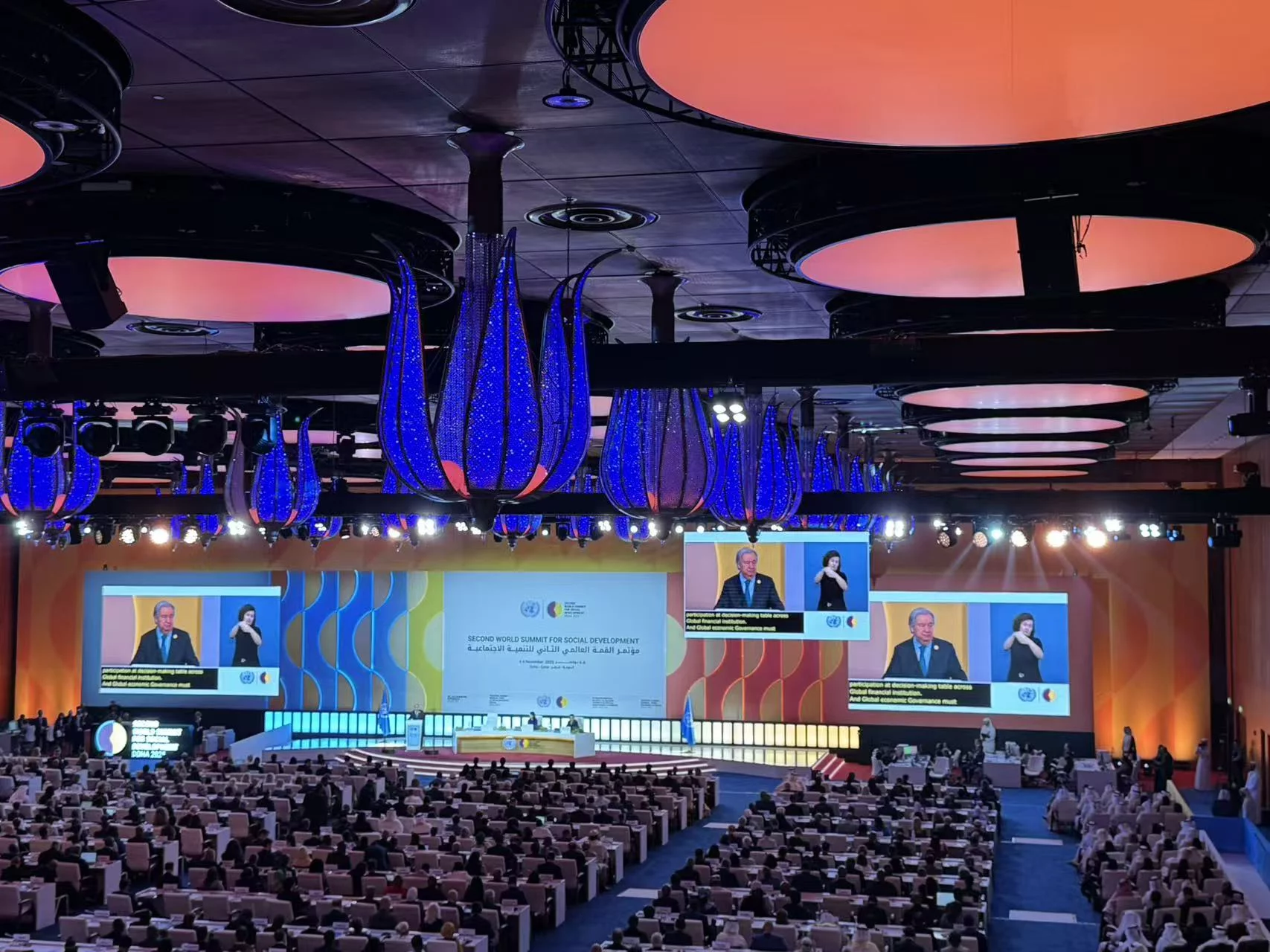
Doha, Qatar — November 6, 2025, The 2nd World Summit for Social Development successfully held on November 6 at the Qatar National Convention Centre. More than 30 heads of state or government and over 100 ministerial-level representatives attended the Summit.
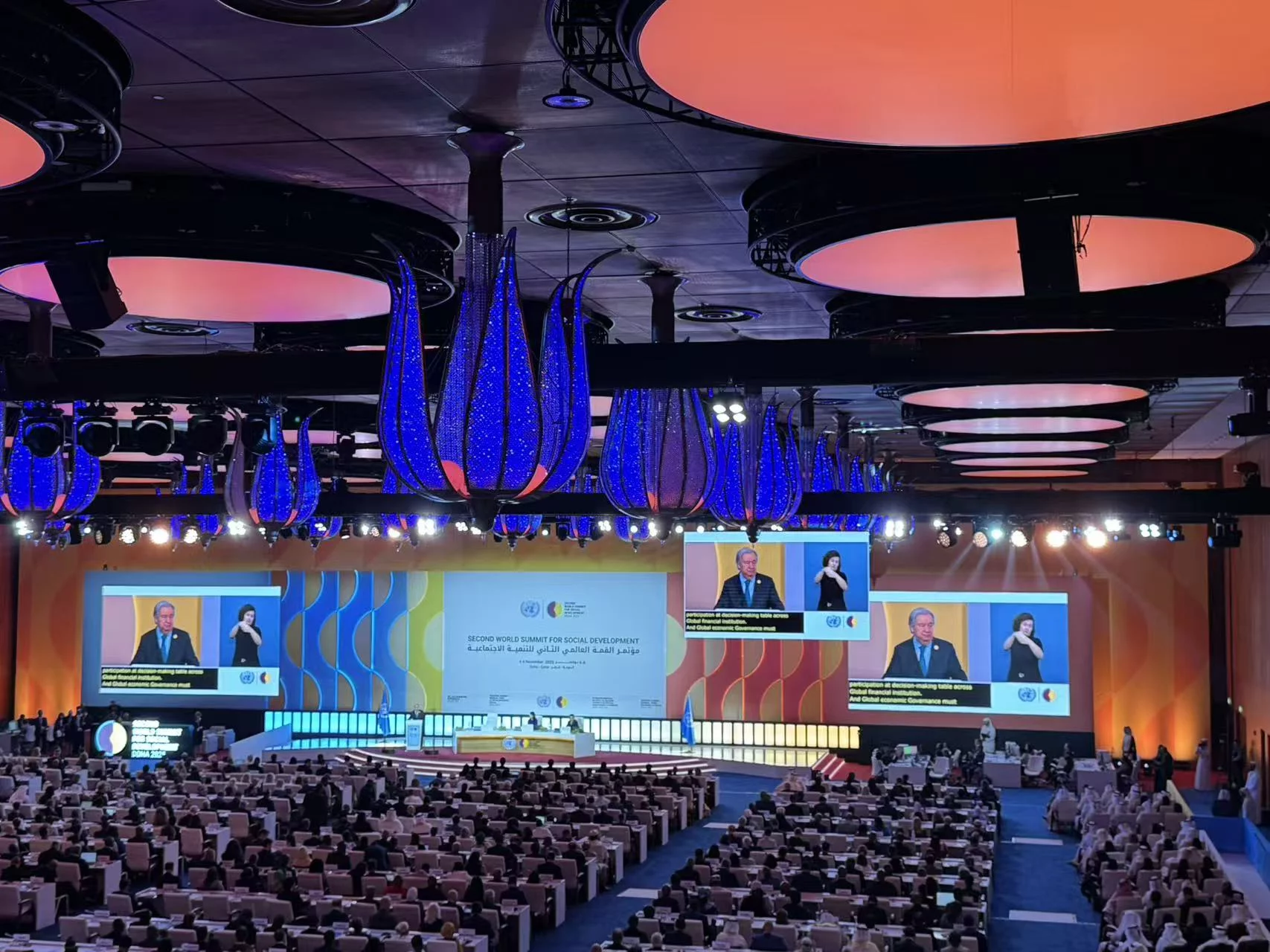
During the Summit, the World Digital Technology Academy (WDTA), in collaboration with the Republic of The Gambia and the United Nations Research Institute for Social Development (UNRISD), successfully convened the thematic event “Bridging the Digital Divide: AI Pathways for Inclusive Development in the Global South.” The session brought together global leaders, policymakers, and technology experts to explore innovative pathways for leveraging artificial intelligence (AI) to advance inclusive and sustainable development in the Global South.
H.E. Amb. Prof. Muhammadou M. O. Kah, Chair of the United Nations Commission on Science and Technology(UN CSTD) and Vice Chair of WDTA, as well as Ambassador of the Republic of The Gambia, delivered the opening address. He emphasized that while AI holds vast potential to enhance education, healthcare, climate resilience, and economic inclusion, without equitable infrastructure, data access, and governance mechanisms, the digital divide could further widen.
Amb. Kah outlined three strategic priorities: building inclusive and trustworthy Digital Public Infrastructure (DPI), establishing data sovereignty, and strengthening AI ethics and safety mechanisms. He called on the international community to create an open and fair global AI cooperation framework that accelerates South-South collaboration, technology transfer, and capacity building—ensuring that AI becomes a unifying rather than divisive force. He particularly stressed that digital transformation must prioritize youth and women.
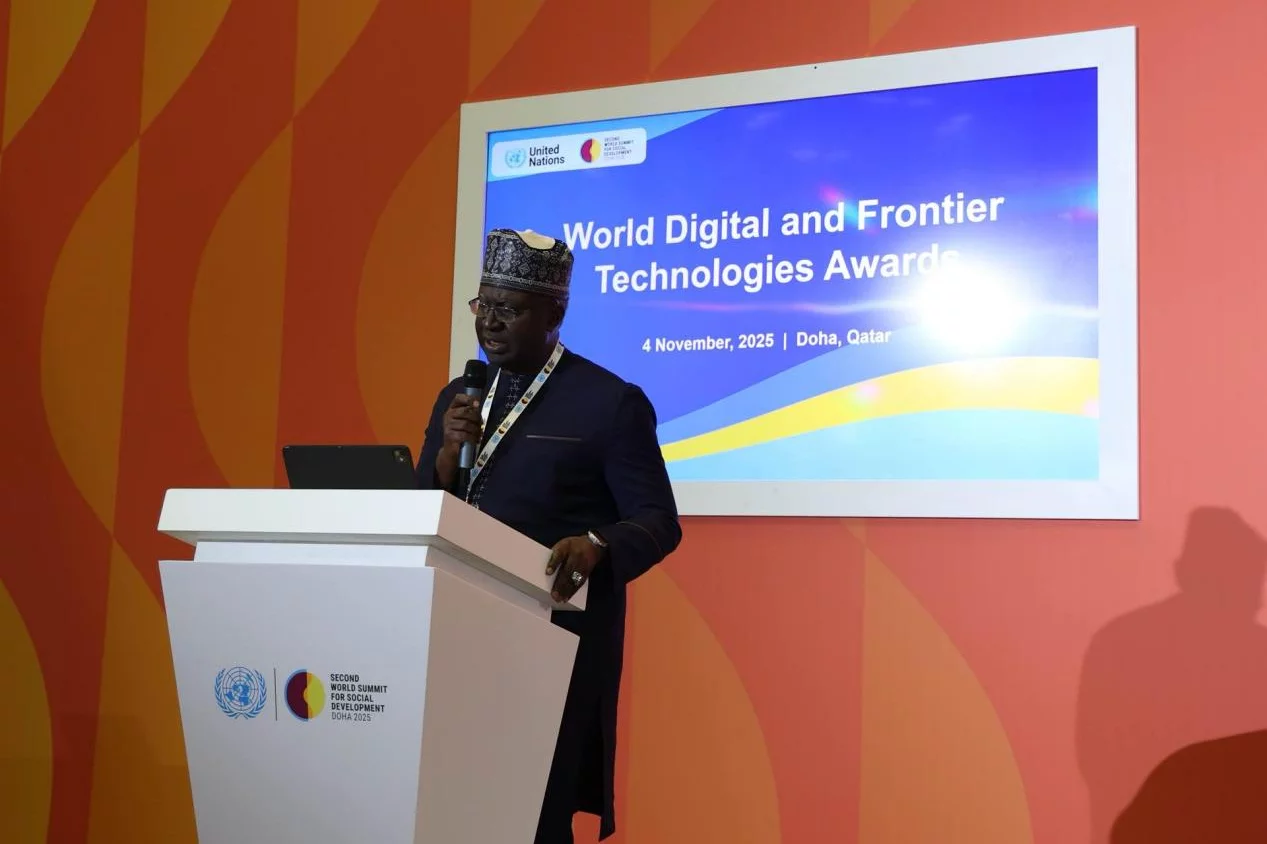
Amb. Kah also announced that the WDTA would lead the establishment of the World Digital and Frontier Technologies Awards, which aim to honor individuals and organizations making outstanding contributions in digital transformation, technological innovation, and sustainable technology development. As one of the key outcomes of the 2nd United Nations World Summit for Social Development, the Awards will become an important driver of global collaboration and innovation—encouraging countries, especially developing nations, to play a more active and significant role in global technology governance.
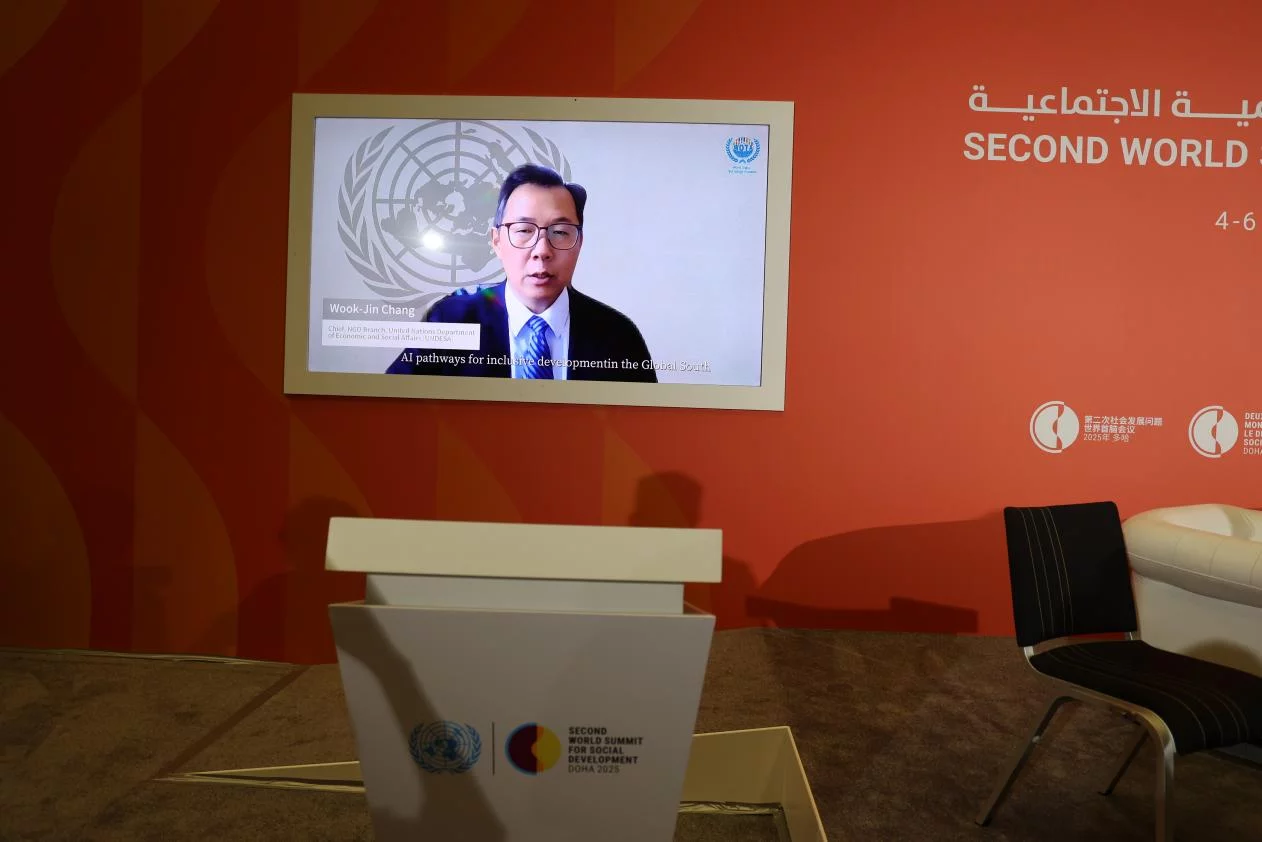
Mr. Wook-Jin Chang, Head of NGOs at the United Nations Department of Economic and Social Affairs (UNDESA), stated in his remarks that AI must be made an accessible, ethical, and people-centered global public good. He underscored the importance of inclusive governance and urged governments, the private sector, and civil society to work together to rebuild trust in multilateralism through digital inclusion.
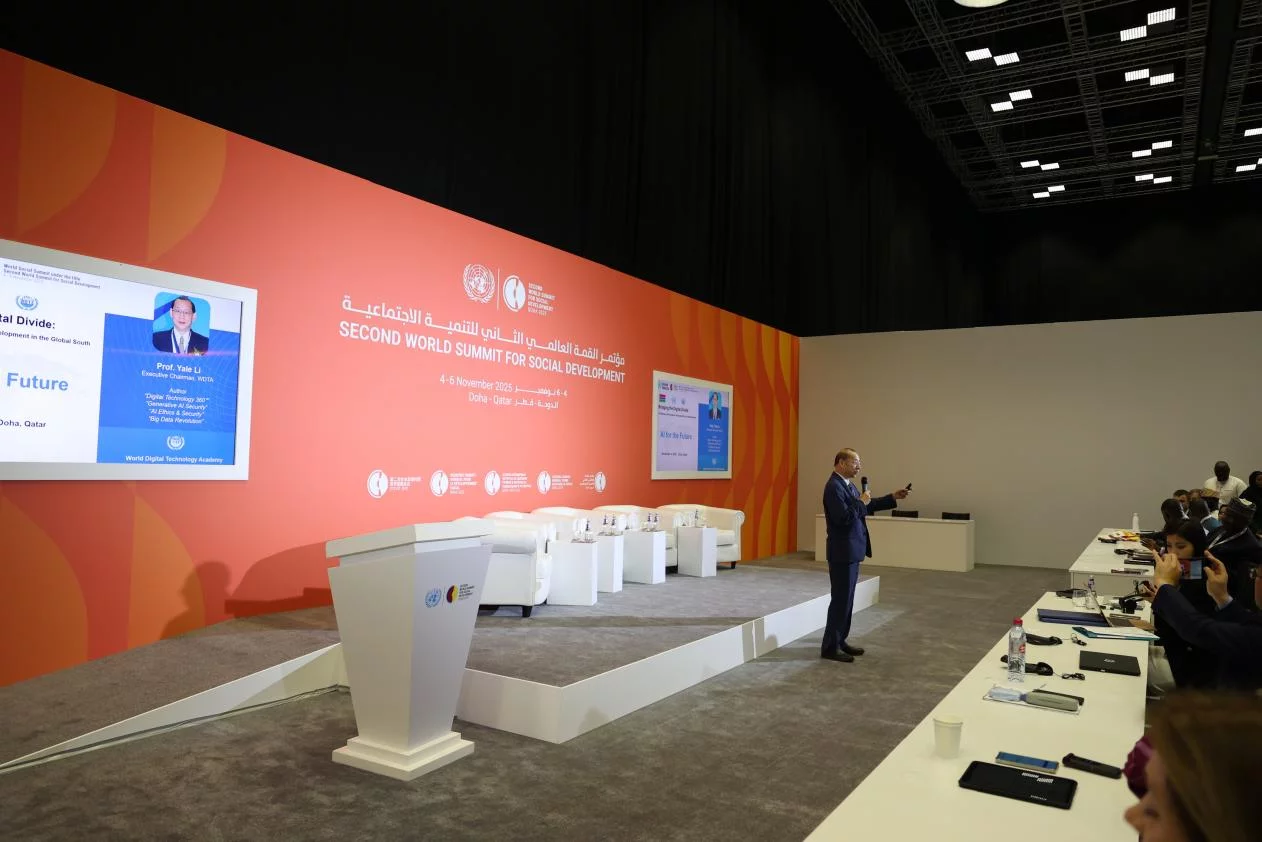
In his keynote speech titled “AI for the Future”, Prof. Yale Li, Executive Chair of the World Digital Technology Academy (WDTA), emphasized that building a responsible AI ecosystem must adhere to the three core principles of speed, safety, and sharing—to ensure that the benefits of technology truly reach the Global South and vulnerable communities. He proposed that WDTA focus its efforts on empowering education, healthcare, agriculture, and energy through AI applications, and called for international collaboration through scenario-based innovation, standard co-development, and talent cultivation to establish a new, inclusive, and trustworthy paradigm for AI development.
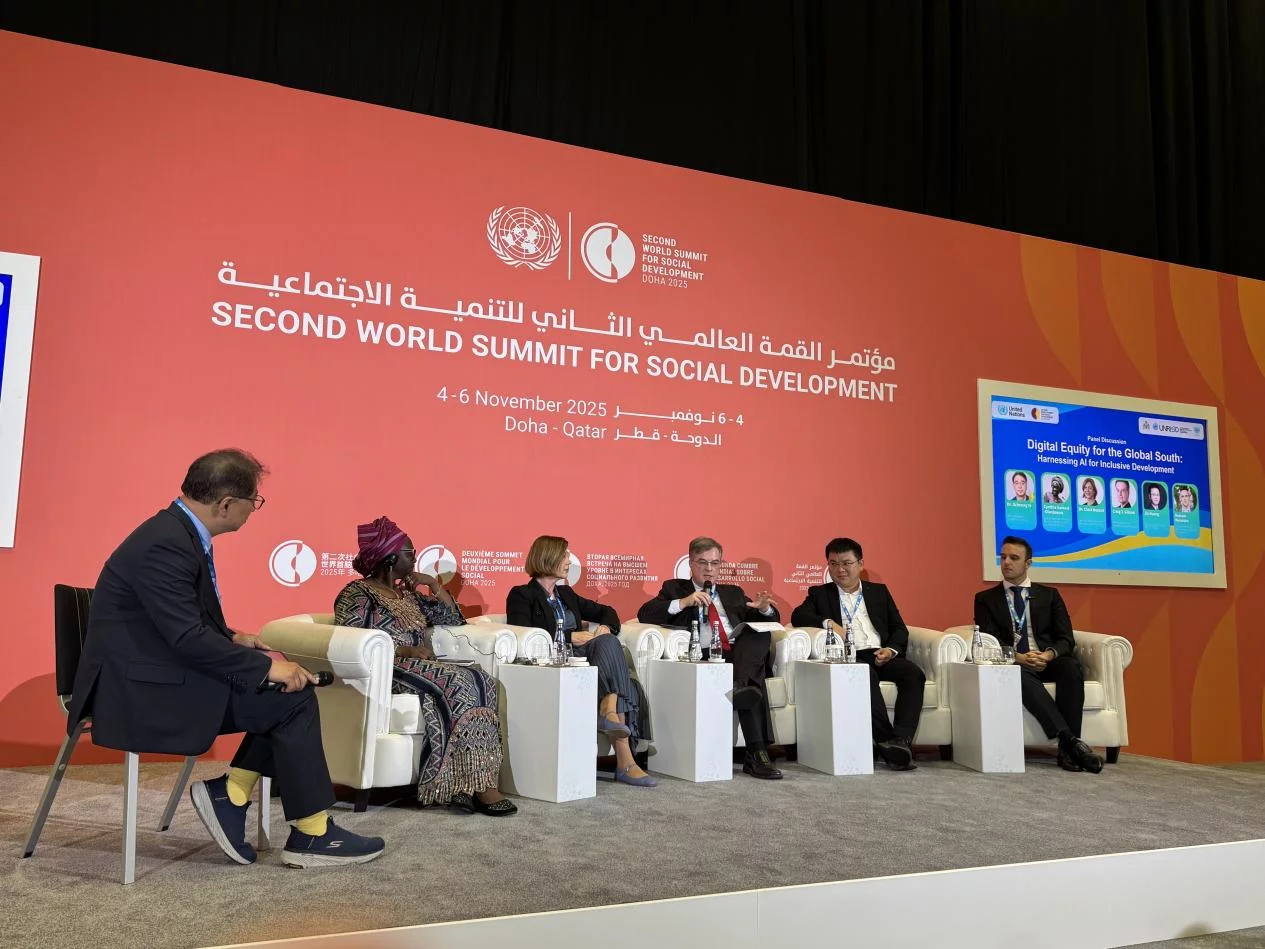
During the subsequent roundtable discussion, experts from government, international organizations, academia, and industry exchanged insights on “How Artificial Intelligence Can Drive Social Inclusion and Equitable Growth in the Global South.” The discussion was moderated by Dr. Ilcheong Yi, Senior Research Coordinator at UNRISD. Ms. Cynthia Samuel-Olonjuwon, from the International Labour Organization (ILO), highlighted that policy design should focus on workforce reskilling, social protection, and decent work to address the structural changes AI is bringing to labor markets and to prevent new forms of inequality.
Dr. Clara Neppel from the Institute of Electrical and Electronics Engineers (IEEE) called for the development of a more inclusive global AI standards system and warned against “standards colonialism,” urging that developing countries become co-creators of global AI governance rules. She also encouraged WDTA to promote mutual recognition of standards and contribute to building de facto industry standards. Mr. Craig T. Gibson, Director of DupeWise AI Lab, warned of the potential threats that deceptive AI poses to social and political trust, advocating for anticipatory governance mechanisms to mitigate such risks.
Mr. Huang Jin from iFLYTEK Co., Ltd. shared innovative AI applications in healthcare, demonstrating how AI is helping to address challenges in medical accessibility and extending quality healthcare services to populations across the Global South. Mr. Romain Malandre, Director of European Cooperation Affairs at WDTA, concluded by reaffirming that WDTA, as a multi-stakeholder collaboration platform, is committed to integrating advanced educational and technological resources, amplifying the voice of the Global South, and co-building a fair, inclusive, and responsible AI future.
A Major Milestone: Launch of the Digital World Conference (DWC) 2026
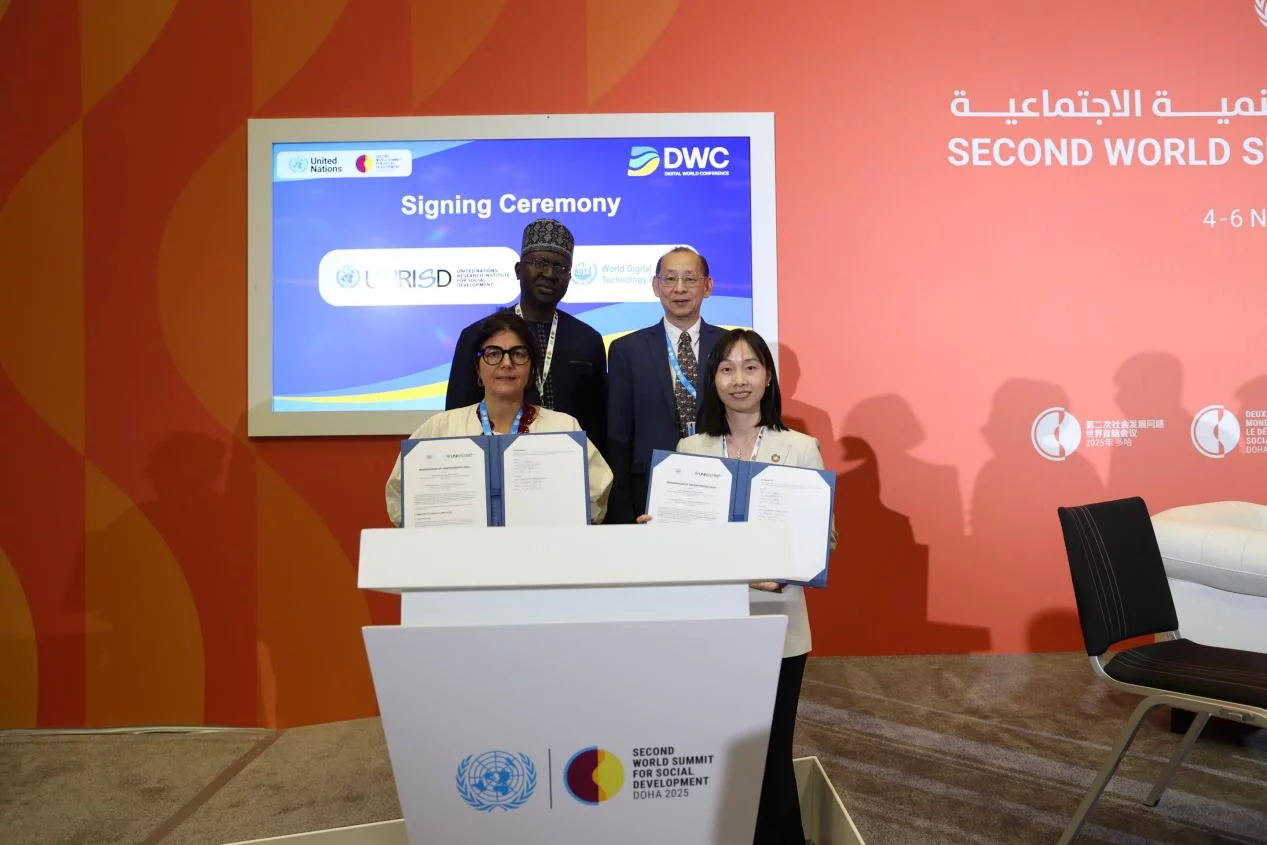
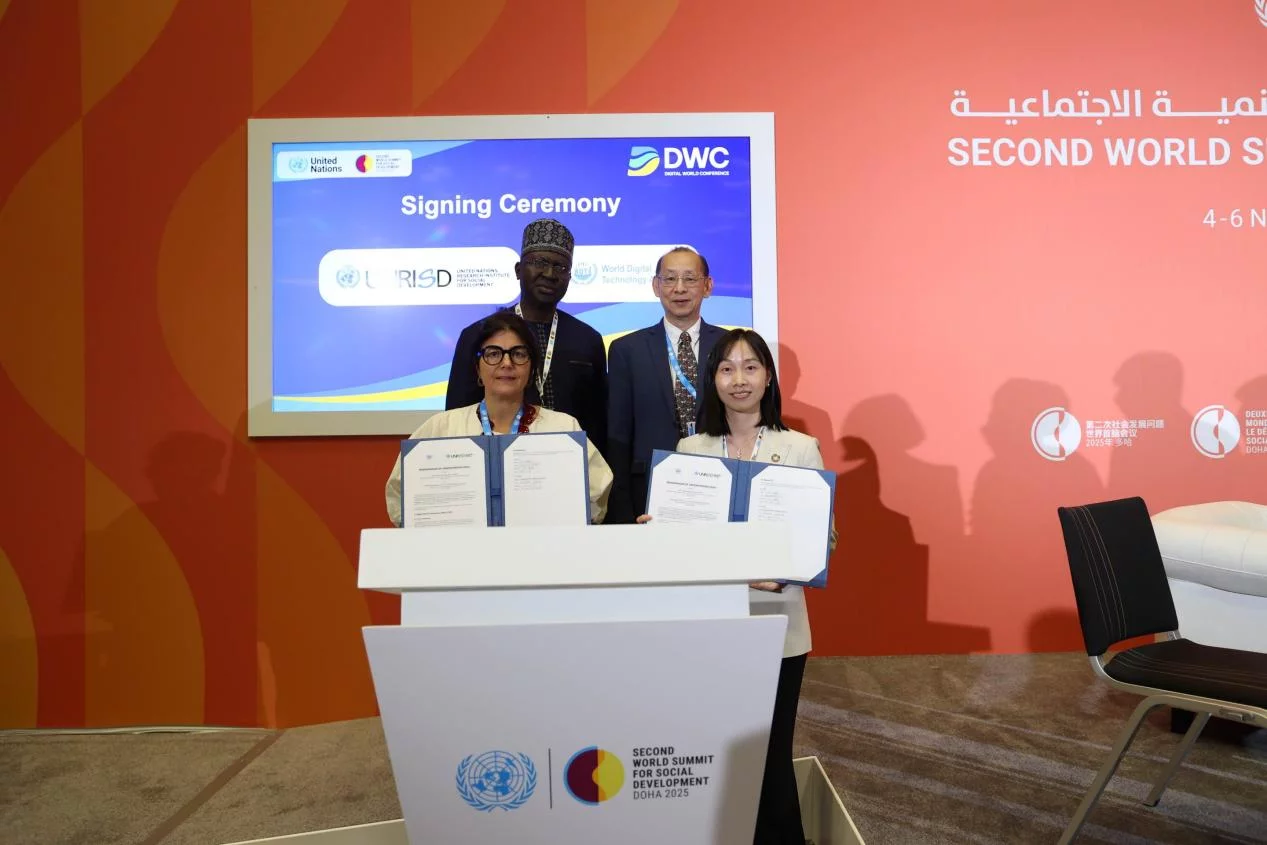
The meeting concluded with a milestone signing ceremony. Ms. Magdalena Sepúlveda Carmona, Executive Director of UNRISD, and Dr. Melan Xu, Executive Director of WDTA, jointly signed a cooperation agreement, officially launching the Digital World Conference (DWC) 2026.
The DWC 2026 will be held in April 2026 at the Palais des Nations, United Nations European Headquarters in Geneva, Switzerland. The event will serve as a platform for dialogue and cooperation among the United Nations, national governments, corporations, and international organizations to address global social development challenges arising from digital technologies.
In her closing remarks, Dr. Melan Xu reaffirmed WDTA’s core mission — to make technology a bridge for serving society. She emphasized that achieving this vision requires extensive and deep collaboration among governments, non-governmental organizations, enterprises, and global talent.
This Session consolidated consensus, set direction, and laid a solid foundation for enabling the Global South to harness artificial intelligence for inclusive and leapfrog development.
Programs & Initiatives
Events
Research & Publications
Awards & News